
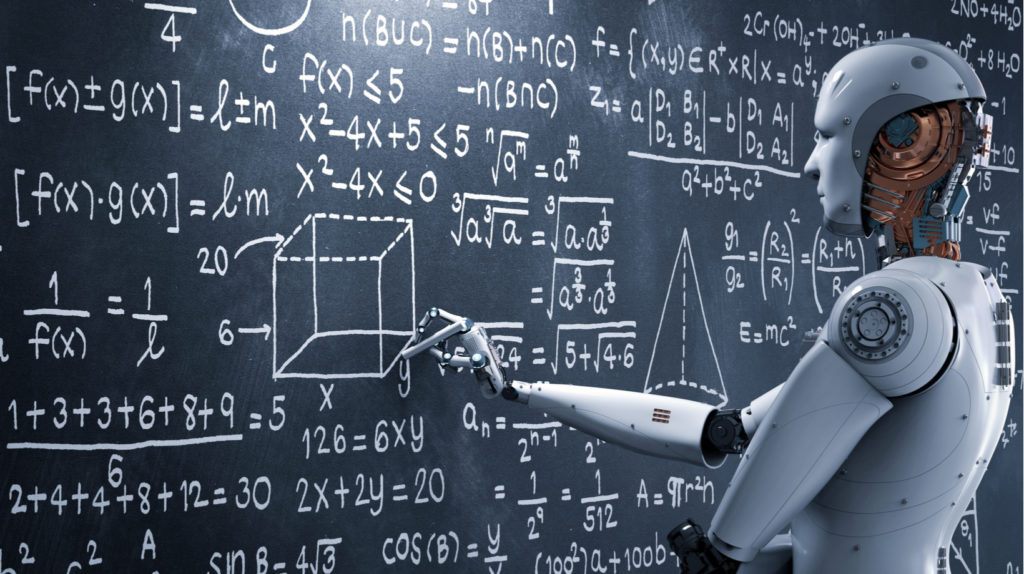
How AI and Technology Are Transforming IIT-JEE and NEET Preparation
The world of competitive exam preparation is rapidly changing, and AI (Artificial Intelligence) is now playing a major role in shaping how students prepare for IIT-JEE and NEET. Traditional coaching methods are evolving to include smarter learning tools, advanced digital platforms, and personalized study techniques. These technologies are helping students learn faster, understand concepts better, and track their progress with greater accuracy. From adaptive learning systems to virtual doubt solving, AI has made high-quality preparation accessible to students across India. As a result, exam strategies are becoming more efficient and preparation more effective than ever before.
1. Personalized Learning Paths Powered by AI
AI tools analyse a student’s strengths, weaknesses, learning speed, and problem-solving pattern to design a personalized study plan. This ensures that every student receives the right level of difficulty for each topic. It helps reduce unnecessary repetition and focuses time on topics that need improvement. Such adaptive learning creates a more efficient and targeted preparation strategy. Students feel more confident because they progress at their own pace. It also helps in better retention of concepts. Over time, these personalized paths adjust as the student’s performance improves. This makes learning smoother and more result-oriented.
2. Smart Practice Platforms for IIT-JEE and NEET
Digital practice platforms now use AI to generate questions based on exam trends and difficulty levels. These platforms provide instant solutions, detailed explanations, and topic-wise practice sets. They simulate real exam conditions, helping students understand time management and pressure handling. With regular use, students develop strong exam temperament. These platforms also track accuracy, speed, and improvement areas automatically. This gives students a clear idea of where they stand. The variety of smart question sets helps in better concept application. Overall, such platforms make practice sharper and more meaningful.
3. AI-Driven Doubt Solving in Real Time
AI-enabled doubt-solving systems can instantly answer complex questions in subjects like Physics, Chemistry, Maths, and Biology. Instead of waiting for classroom sessions, students get immediate clarification. This prevents doubts from piling up. AI also provides step-by-step explanations that help students understand the underlying concept. It boosts confidence and clarity. These systems are available 24/7, making learning flexible. By solving thousands of student queries, AI becomes more accurate over time. This creates a continuous learning flow without interruption.
4. Predictive Analysis for Exam Performance
AI tools analyze mock test results and predict future performance using data patterns. They highlight topics likely to affect ranks if not improved. Students get a clear idea of their projected scores and what they must do to improve. This predictive analysis helps in reducing anxiety before exams. It encourages focused preparation in the final months. Teachers and mentors also use these insights to guide students better. Over time, predictive data proves highly reliable for planning. It helps students avoid last-minute surprises.
5. Virtual Classrooms and Online Learning Ecosystems
Technology has transformed traditional classrooms into smart virtual learning environments. Students can attend live classes, watch recorded lectures, and revise concepts anytime. Virtual boards and digital animations make complex concepts easier to grasp. Online chat and doubt sections improve teacher-student interaction. These platforms also allow tests, homework, and discussions in one place. This creates a complete learning ecosystem. Students from remote areas also get access to top faculty. Overall, virtual classrooms bring flexibility and accessibility to competitive exam preparation.
6. AI-Enhanced Study Materials and e-Books
Study materials are now created using AI to ensure accuracy and relevance. AI analyses previous years’ papers and curriculum updates to prepare high-yield content. E-books come with interactive diagrams, shortcuts, and embedded videos for better understanding. Students can highlight points, take notes, and track usage. AI also suggests the next topics to study based on progress. This makes reading more interactive and engaging. Updated content ensures students are always aligned with the latest exam pattern.
7. Digital Revision Tools and Spaced-Repetition Systems
AI-powered revision tools track what students forget over time and remind them when to revise. Spaced repetition ensures long-term retention of key concepts, formulas, and diagrams. These tools schedule revision sessions automatically. Students save time because they revise only what is necessary. Digital flashcards and quick quizzes make revision enjoyable. Over time, retention improves without extra effort. Such systems are scientifically proven to boost memory. They play a major role in scoring higher in IIT-JEE and NEET.
8. Gamification to Boost Motivation and Consistency
Many learning apps now use gamification elements such as badges, points, leaderboards, and challenges. This makes studying more engaging and fun. Students feel motivated to complete daily targets. Friendly competition boosts consistency. Gamification also reduces boredom during long study hours. It helps in creating positive study habits. Students get instant satisfaction when they achieve small milestones. Over time, this improves discipline and goal-tracking. Gamified learning has proven effective for younger learners especially.
9. AI-Based Time Management and Study Timetable Tools
AI tools help students plan their day by creating smart timetables. These schedules adjust automatically based on progress and learning speed. Students get reminders for tests, revision, and classes. Time-tracking features help them understand how much time they spend on each subject. This improves accountability. AI also identifies time wastage areas. Over time, students become more disciplined. A well-structured study routine directly impacts exam performance.
10. Realistic Mock Tests with Automated Evaluation
AI makes mock tests more accurate by analysing difficulty levels and question patterns from recent exams. Automated evaluation gives instant scorecards. Students get detailed insights on accuracy, speed, and conceptual gaps. Realistic test simulation reduces fear of the actual exam. Regular mock tests improve confidence. AI also provides topic-wise and chapter-wise breakdowns to refine preparation. These insights help students plan their next study steps clearly.
11. Accessibility for Students in Tier-2 and Tier-3 Cities
AI and technology have made high-quality education available to students across India. Online classes remove the need to relocate for coaching. Students from small towns now access the same expert faculty as metro students. Affordable online subscriptions reduce financial burden. Doubt-solving and practice platforms work even on low-speed internet. This levels the playing field. Technology ensures that talent, not location, decides success. It is a major step toward educational equality.
12. The Future of Entrance Exam Preparation with AI
The future will bring even more advanced AI tools for preparation. Virtual reality classrooms, immersive simulations, and AI tutors will make learning highly interactive. Data-based insights will guide students better. Preparation will become faster, smarter, and more personalized. Teachers will also use AI to improve teaching methods. Students can expect more accuracy, clarity, and support throughout their preparation journey. AI will continue to shape how IIT-JEE and NEET aspirants study, practice, and succeed.